

10 Reasons to Support Creativity This Giving Season
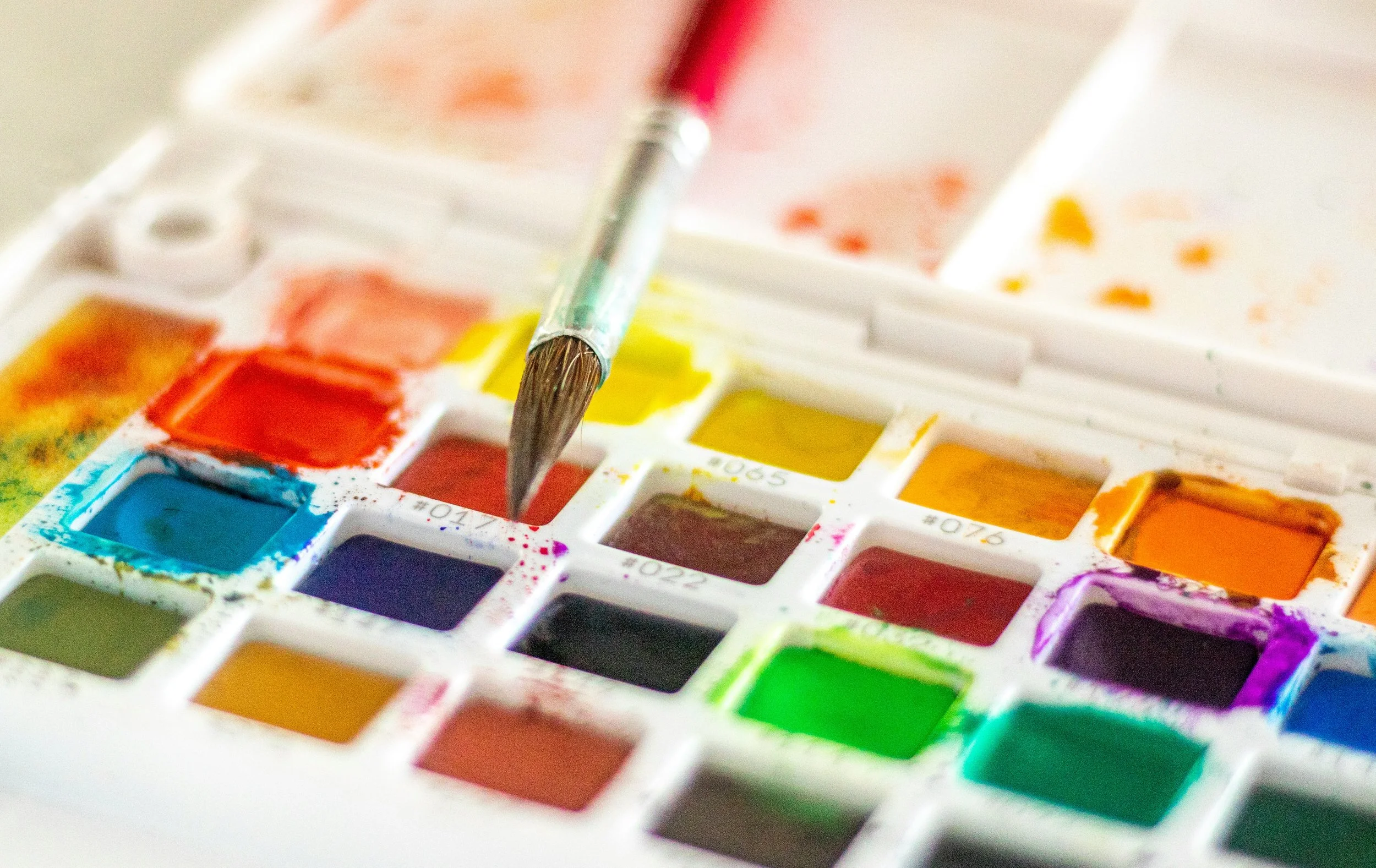
Photo by Callum Hill on Unsplash
As 2025 winds down, many find themselves reflecting on what they’re thankful for, thinking about the year ahead, and planning how they want to make a difference in the lives of those around them. Typically, November and December see the highest amount of charitable donations. In 2023, people in the United States gave $3.1 billion on GivingTuesday, the Tuesday after Thanksgiving.
With a global push for giving at this time of year, it can be difficult to decide what to support and how to support it. Taking stock of factors like impact and personal value alignment can help make the decision easier. To help make your giving simpler, we’re highlighting the top 10 reasons to support creativity and the arts during this giving season.
1. Creativity bridges divides and unifies communities.
When communities are creative together, they grow stronger and more connected. In a poll conducted by Americans for the Arts, 72% of Americans believed “the arts unify our communities regardless of age, race, and ethnicity,” and 73% agree that the arts “help me understand other cultures better.”
2. Creativity makes people happier.
81% of people said the arts provide a “positive experience in a troubled world." The science backs it up, too. When King’s College of London researchers looked at the physiological responses of participants viewing art, they found positive influences on the immune, hormonal, and nervous systems, including lowered stress hormones and reduced inflammatory markers.
3. Creativity creates a stronger economy.
The United States' arts and culture sector, including nonprofit, commercial, and educational programs, is an $876.7 billion industry that supports 4.6 million jobs, according to the National Endowment for the Arts. In 2022 alone, nonprofit arts and culture organizations and their audiences generated $151.7 billion in economic activity. Organizations spent $73.3 billion, resulting in $78.4 billion in event-related spending by audiences, which supported 2.6 million jobs and $29.1 billion earned in tax revenue.
4. Creativity generates tourism.
According to a poll by the Travel Industry Association of America, there are 92.7 million cultural travelers who include a cultural, arts, heritage, or historic activity on their trips. They recorded that 32% of these cultural travelers, equaling 29.6 million people, extend their trips to attend a cultural, artistic, heritage, or historic activity.
5. Creativity improves academic performance.
School age and college students with access to creative pursuits and creativity-focused education perform better, thanks to creativity increasing memory retention, focus, and problem-solving skills. Researchers in Australia have found that creativity is a better indicator of educational outcomes than traditional predictors, such as GPA. In 2015, the College Board reported that students who took four years of arts and music classes scored higher on the SAT than their counterparts.
6. Creativity leads to innovation.
“Creativity is not simply one option for the success of human society; it is the foundation of human progress,” said former Rice University President David W. Leebron. From creating new technology to solving pressing issues to producing impactful experiences, creativity is the lifeblood of our ever-changing world.
7. Creativity drives social impact.
A study conducted by the University of Pennsylvania found that the availability of cultural resources in New York City neighborhoods was significantly linked to factors such as health, education, and security. They found that cultural resources were associated with higher test scores, decreased crime rates, improved health outcomes, and healthier family dynamics.
8. Creativity supports seniors
Research shows that engaging in creative production and expression is negatively correlated with cognitive decline in elderly populations. Creativity is associated with divergent thinking, one of the processes that diminishes during cognitive decline. Scientists theorize that creative production and expression might strengthen these skills in aging populations and protect them from weakening.
9. Creativity improves mental health
Creative pursuits, such as writing, painting, drawing, sculpture, music, and crafting, have strong links to reduced depression, increased social resilience, higher life satisfaction, lower stress, and other positive mental health markers.
10. Creativity is healing.
Almost half of the country’s healthcare facilities provide creative programming for patients, caregivers, and sometimes staff. Research indicates that these programs offer healing benefits, leading to shorter hospital stays and reduced medication use. When surveyed, 75% of Americans said that if their doctor recommended they participate in the arts to improve their mental or physical health, they would follow that recommendation.
Thank you for your generosity, no matter how you plan to give this season. We’re grateful for the community’s support in bringing the Rialto back to life as the Rialto Center for Creativity, whether through financial support, volunteering your time, attending an event, or sharing our mission with your community.
About the Rialto Center for Creativity
The Rialto Center for Creativity is transforming Westfield’s historic Rialto Theater into a vibrant hub for cultural conversation, live performances, and hands-on learning.
The Rialto Center for Creativity is an independent, nonpartisan, nonprofit 501(c )(3).
